
Seven Months of Garden Leave in Denmark: What I Learned About Work, Rest, and Productivity
Garden leave is a strange concept.
For those unfamiliar with it, it’s a period between jobs where you either remain employed by your previous company but don’t work (usually where you receive severance), or where you are paid not to work for another company (usually due to a non-compete clause). In my case, it meant seven months away from work before starting my new role.
It was a finite pause. I already had my next job lined up and knew exactly when the break would end. That made it very different from resigning without a plan or navigating a layoff. I didn’t have to job search and there was no uncertainty about what came next.
Still, seven months is a long time.
When I first signed the contract that included the non-compete clause, I imagined that if garden leave ever happened, I would spend the time traveling or doing something adventurous.
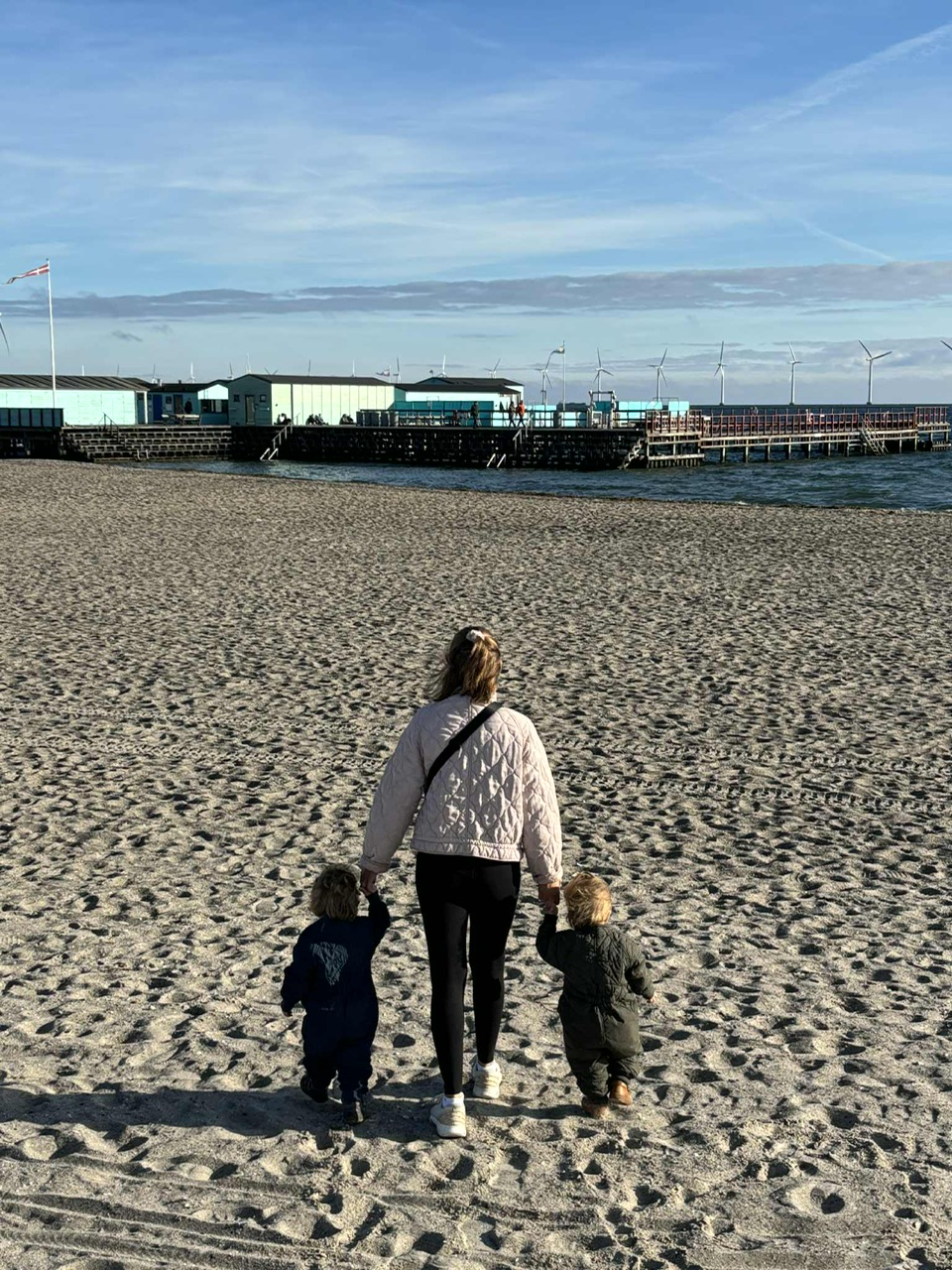
Instead, when the moment actually arrived, I had 18-month-old twins. Travel was not on the agenda.
Looking back now, though, I realize that what I gained from those seven months was far more valuable than any trip.
Month One: Doing Almost Nothing
The first month of garden leave, I mostly did… very little.
And honestly, I needed that.
I had just come out of a full year of maternity leave with twins. Spending all day every day alone with two babies (who also slept incredibly poorly at night) was exhausting in every dimension: physically, mentally and emotionally. I was tired in a deep, cumulative way that many parents will recognize.
So I rested. At the time, it felt like I was wasting an opportunity. In hindsight, it was exactly what I needed.
Months Two to Four: Turning the Time Into a Project
After that initial decompression, my instinct was to get organized.
Very organized.
I created a Gantt chart for the months ahead. I used Todoist to organize tasks and projects. I had a clear set of goals for what I wanted to accomplish during the time away from work.
My days had structure. There were things to learn, projects to move forward, and occasional meetups with friends and former colleagues. Of course, there were also sick days when one of the kids had to stay home from vuggestue (Danish daycare for under-3s) or when I was sick myself.
For a while, the system worked well. But as Christmas approached, I noticed something: I had started to feel pressure.
The Moment I Realized I Was Doing It Wrong
Around that time, I kept seeing two very different messages online.
One was the familiar productivity narrative: people waking up at 4 a.m. to work out, optimize their mornings, and get ahead of the day before their children even woke up.
The other message felt far more relatable. Parents were pointing out that families with children who don’t sleep well are simply having a fundamentally different experience of early parenthood.
And I thought: that’s me. My kids don’t sleep well. I’m tired. My life right now is not designed for peak optimization. So why was I trying to treat this period like a productivity challenge?
That realization changed everything. I gave myself permission to rest — real rest. Naps, slow mornings, Netflix, and long coffee breaks. And somewhat paradoxically, that’s when things started to work better.
The Rule I’m Taking Back to Work
After the holidays, I came back with a much simpler system.
Instead of long to-do lists, I made two rules for myself:
Each day could have a maximum of three tasks
Each week could have a maximum of three priorities
I could always do more if I felt like it, but I wouldn’t put more on the list. It turned out to be surprisingly effective.
In fact, the more I thought about it, the more I realized this approach works just as well professionally. When everything is a priority, nothing truly is.
The Motivation That Comes From Direction
Another shift happened as my start date for the new role got closer.
I started doing a bit of professional development and learning more about my future team and responsibilities. Almost immediately, I felt my motivation increase across the board.
It reminded me of something I had noticed after becoming a parent: when you lose most of your “free time,” the time you do have becomes far more focused.
The same thing happened here. Having a clear professional direction again made it easier to use my time intentionally.
This was also when I returned to a personal project that had been sitting quietly in the background: my blog.
Finding My Voice Again
For a while — especially around Christmas — I wasn’t even sure if I would finish the blog.
Starting from scratch involved far more work than I had expected: choosing a name, setting up hosting, learning new tools, and figuring out what I actually wanted to write about.
But once I started writing consistently again, something clicked.
I began to see the identity of the blog more clearly — stories about motherhood, life in Denmark, and the experiences I often wished I had been able to read about myself.
The more I wrote, the easier writing became. Using tools like voice notes and ChatGPT also helped me become far more efficient in turning ideas into finished posts.
Ironically, the momentum only came after I stopped trying to force it.
Letting Go of the Pressure to Do Everything
I also started letting go of a few expectations I had been placing on myself. One of them was exercise.
At one point I saw a video from a mother who had five children in ten years and joked that she had managed to work out exactly once in that time. It made me stop and reconsider the pressure I was putting on myself.
Between walking, carrying two toddlers, and chasing them around every day, my body was already doing plenty. Right now, sleeping when I can and eating well matter far more. That realization felt surprisingly freeing.
The Greatest Gift of This Time
Perhaps the greatest gift of these seven months has simply been time. For most of this period, I’ve been with my children almost every hour they were not in vuggestue. I’m convinced that the extra time together has shaped our relationship in ways that will last far beyond this year.
When I signed a contract with a non-compete clause years ago, I imagined garden leave as a chance to travel. Instead, it became something quieter and much more valuable: time for our family to find our rhythm and get organized before I return to an exciting (but demanding) new role.
Because of that time, I feel far more confident about the transition back to work.
What I’m Taking With Me
The biggest lesson from this unusual seven-month pause is surprisingly simple:
Sometimes the most productive thing you can do is stop trying to optimize every moment.
Once I allowed myself to slow down and work within the rhythm of the life I actually have — not the one I imagined — I ended up accomplishing far more of the things that mattered.
And perhaps more importantly, I got to be fully present for a chapter of my children’s lives that I will never get back.